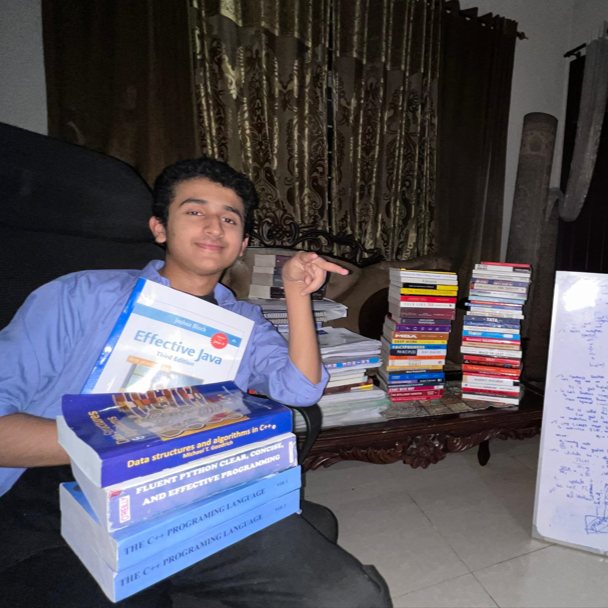
Abe
Software Engineer
I craft elegant solutions to complex problems, specializing in building modern web applications with cutting-edge technologies. My passion lies in creating beautiful, performant, and accessible digital experiences.
Technical Skills
I specialize in these technologies to build modern, scalable, and performant applications.
React
Next.js
TypeScript
JavaScript
Node.js
Python
Docker
AWS
Tailwind CSS
MongoDB
PostgreSQL
Git
Featured Projects
Here are some of my recent projects that showcase my skills and expertise.
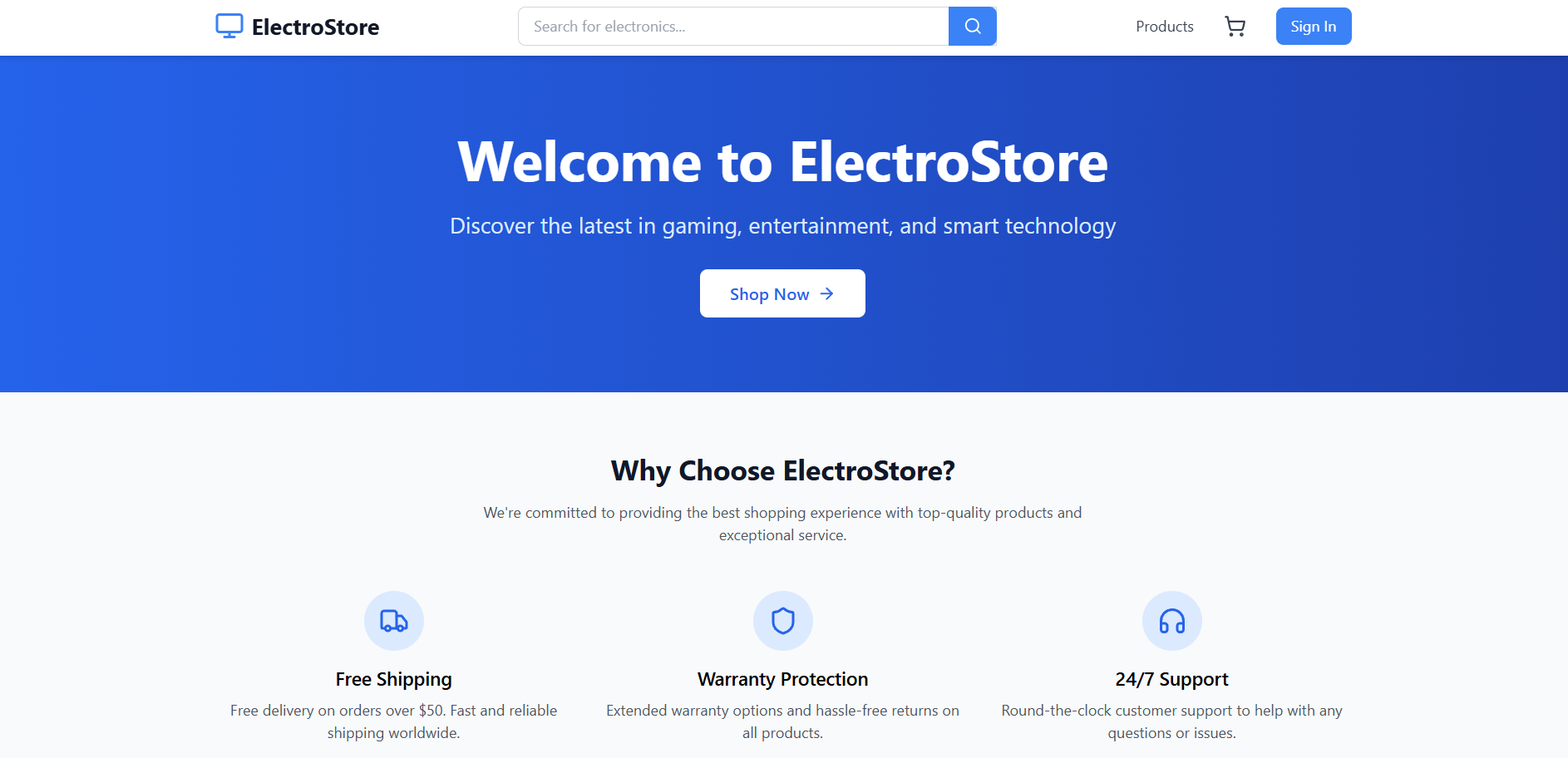
E-Commerce Platform
A full-stack e-commerce platform built with Next.js, TypeScript, and Stripe for payments. Features include user authentication, product management, and order processing.
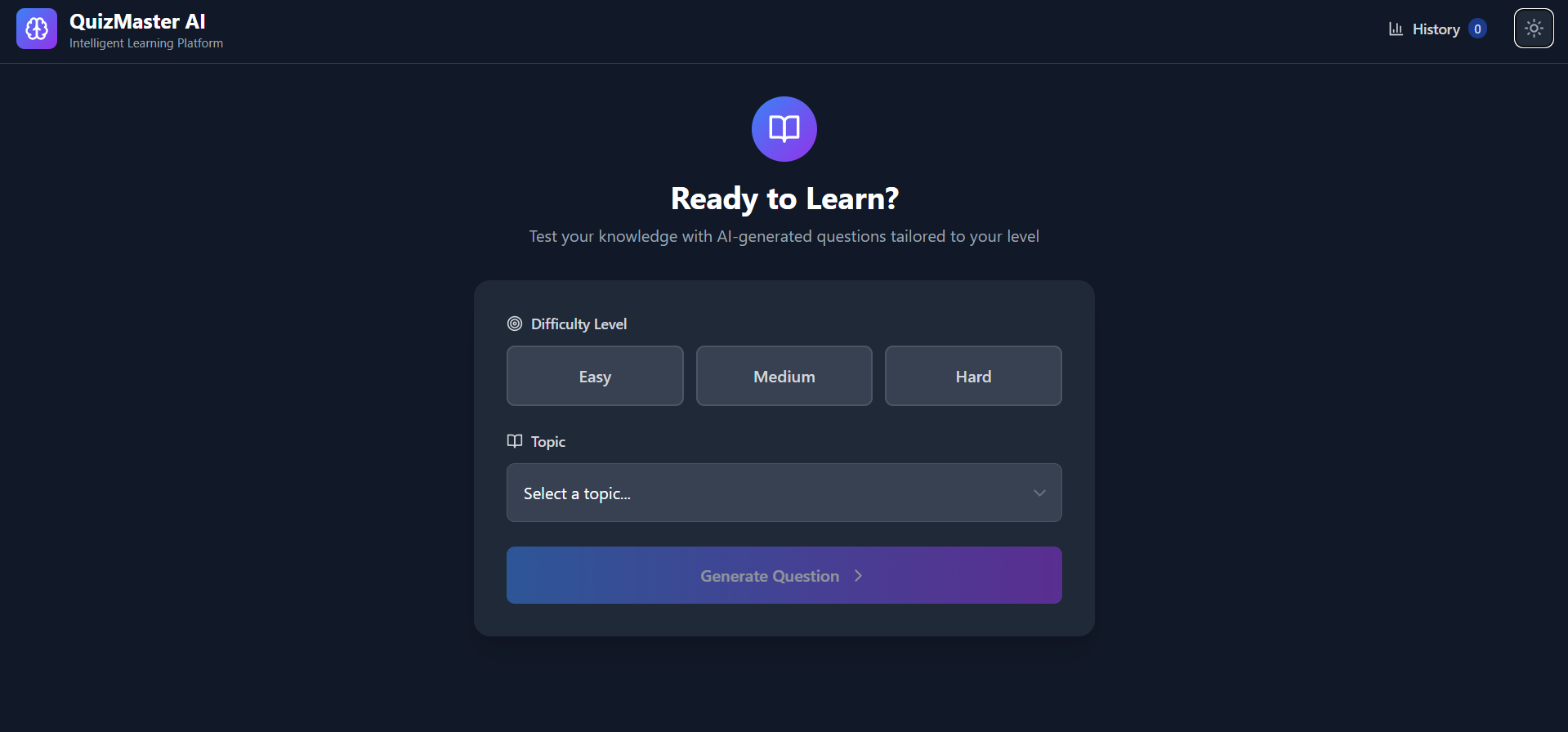
QuizMaster AI
An interactive quiz bot application with a React Vite frontend and FastAPI backend. Utilizes the Cohere API for answer validation and natural language understanding.
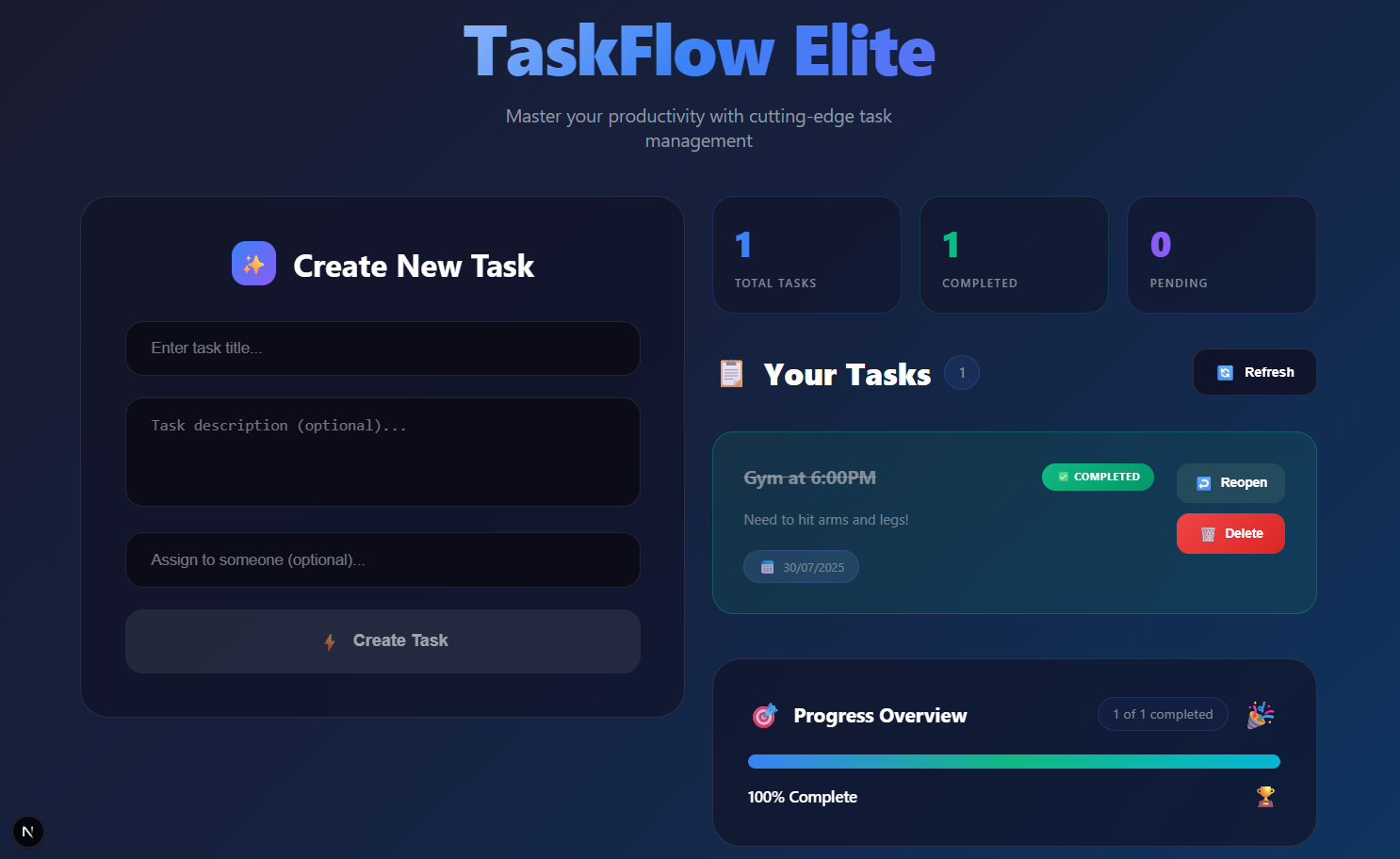
Task Management Dashboard
A comprehensive task management dashboard with features like task assignment, progress tracking, and reporting. Built with Next.js and PostgreSQL.
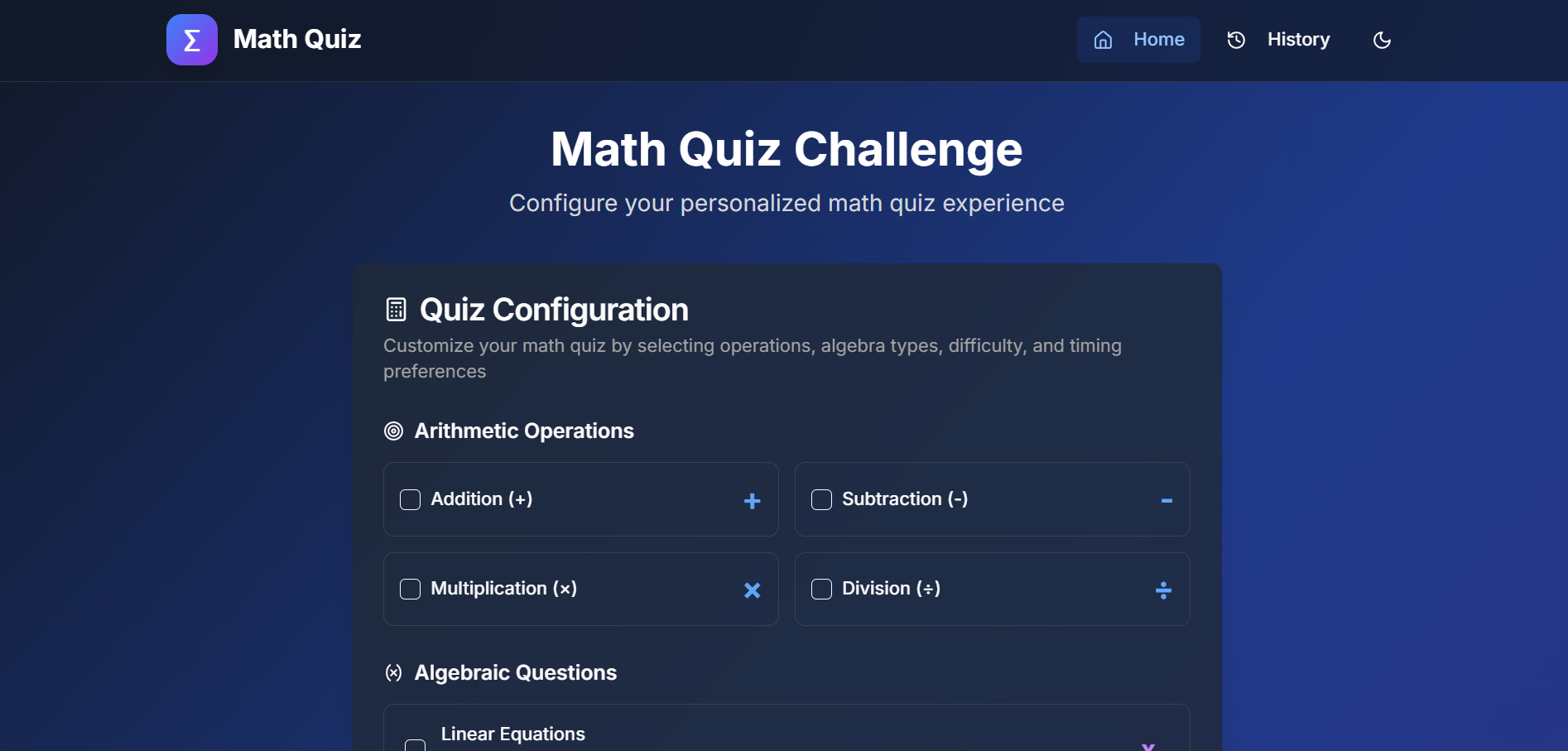
Maths Coach
A maths coaching platform that helps students improve their math skills through interactive lessons and quizzes. Built with Next.js, TypeScript, and Tailwind CSS.
Education & Learning
My self-directed learning journey across technology, quantum physics, business, and entrepreneurship.
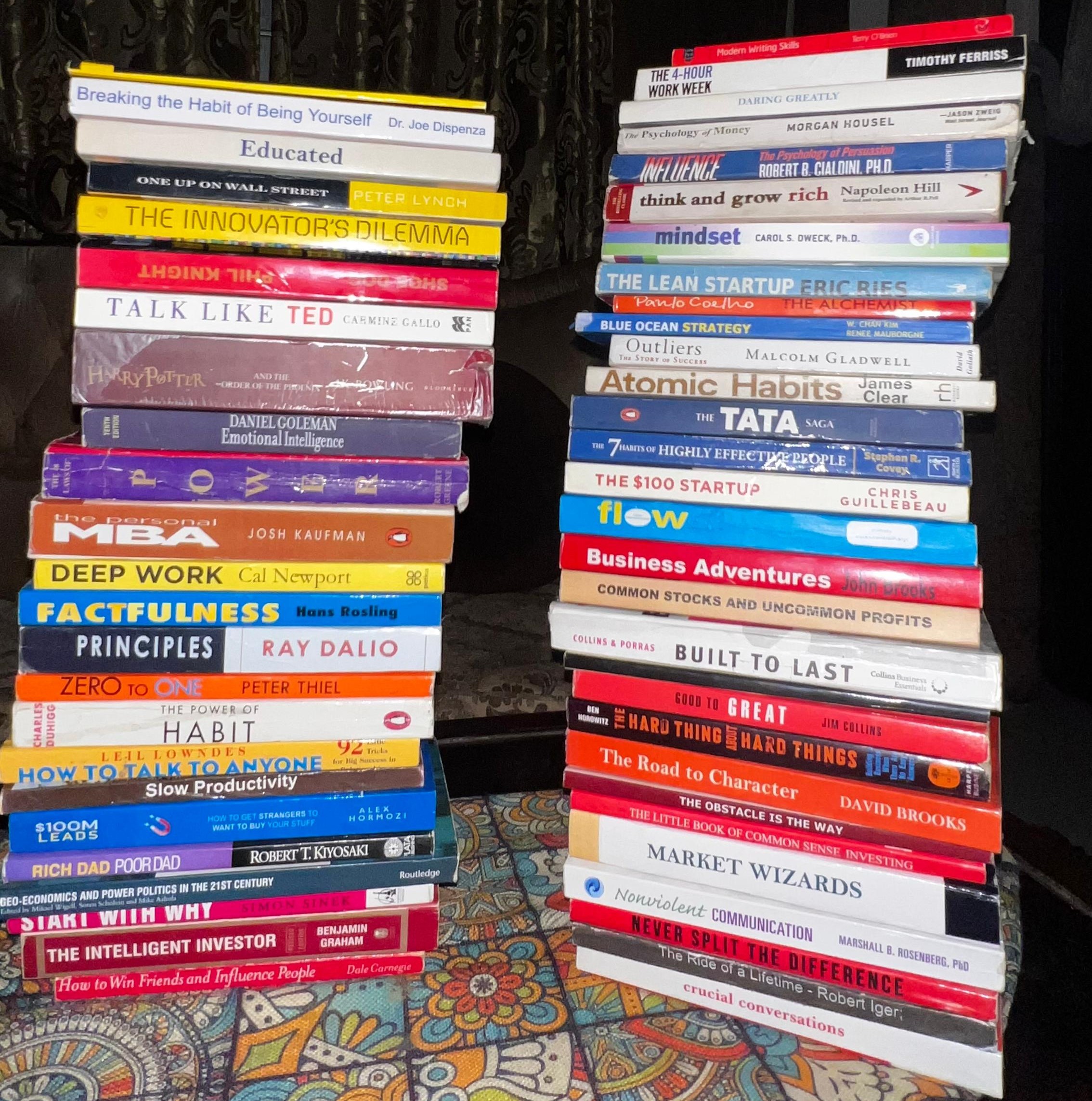
Self-Directed Learning Journey
I've embarked on an ambitious self-learning journey, completing university-level courses from prestigious institutions like Harvard, Stanford, and MIT. I've read over 62 books on business, communication, startups, innovation, stocks, company operations, and self-development by renowned authors. Additionally, I've delved deep into quantum physics, quantum mechanics, and quantum computing, exploring the fundamental nature of reality and the future of computation.
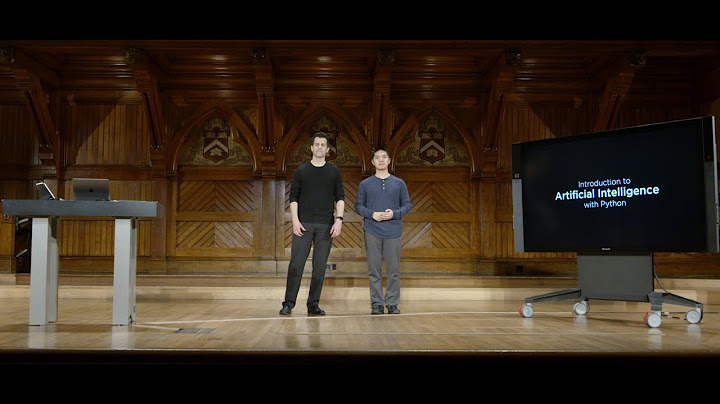
Harvard CS50: Introduction to Artificial Intelligence with Python
Comprehensive introduction to modern artificial intelligence, covering search algorithms, knowledge representation, machine learning, and neural networks.
Key Learnings:
- Completed all programming assignments
- Built a question-answering AI system
- Implemented a neural network from scratch
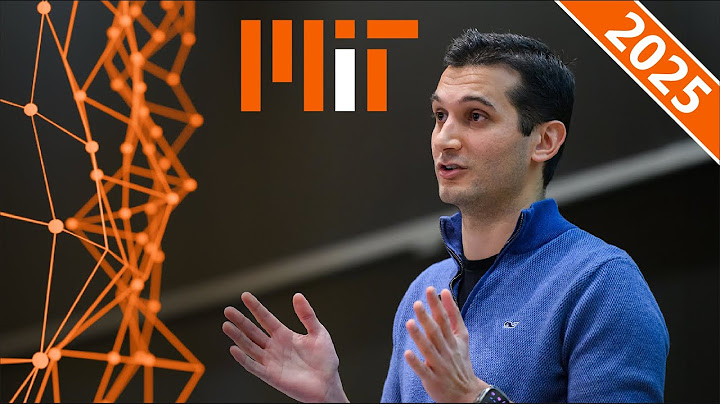
Machine Learning
Studied machine learning fundamentals taught by Andrew Ng, covering supervised and unsupervised learning, best practices in ML, and practical implementation.
Key Learnings:
- Implemented linear regression, logistic regression, and neural networks
- Applied ML algorithms to real-world datasets
- Completed all programming exercises in Python
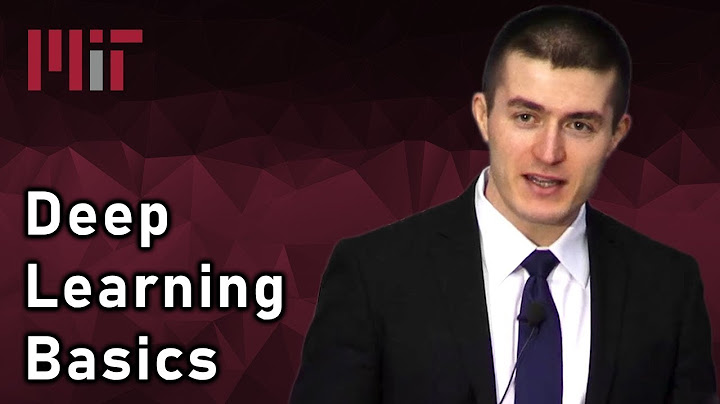
Deep Learning
Studied advanced deep learning concepts including convolutional neural networks, recurrent neural networks, and transformer architectures.
Key Learnings:
- Built image classification models
- Implemented natural language processing systems
- Created generative models for content creation
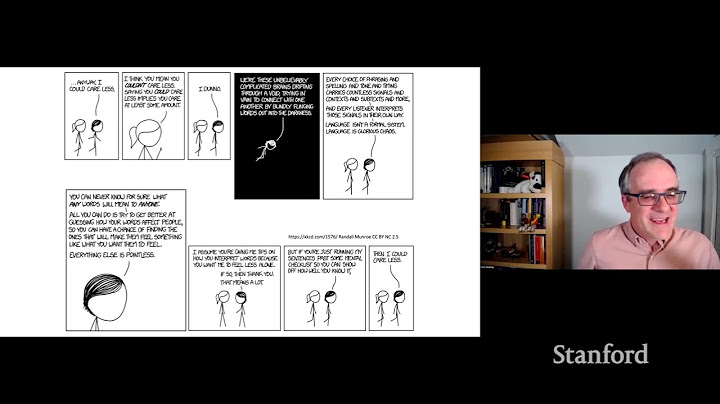
Natural Language Processing
Studied computational linguistics and deep learning approaches to natural language processing, including word embeddings, sequence models, and transformers.
Self-Driving Cars
Explored the technology behind autonomous vehicles, including computer vision, sensor fusion, path planning, and control systems.
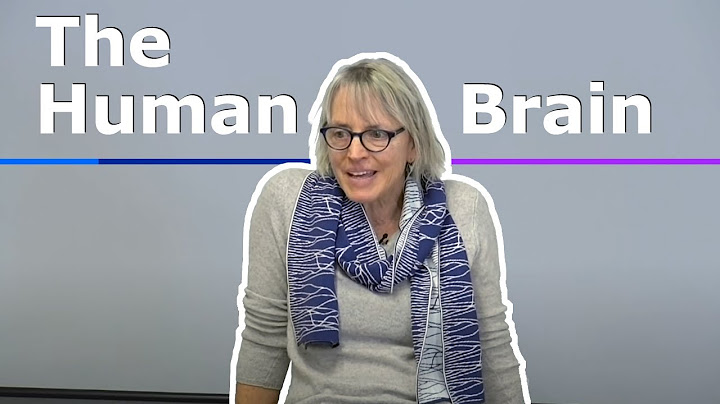
9.13 The Human Brain
Explored the structure and function of the human brain, including neuroanatomy, neurophysiology, and cognitive neuroscience principles that underlie human cognition and behavior.
Key Learnings:
- Studied brain structure and neural communication
- Explored cognitive functions like memory, attention, and decision-making
- Examined neurological disorders and brain plasticity
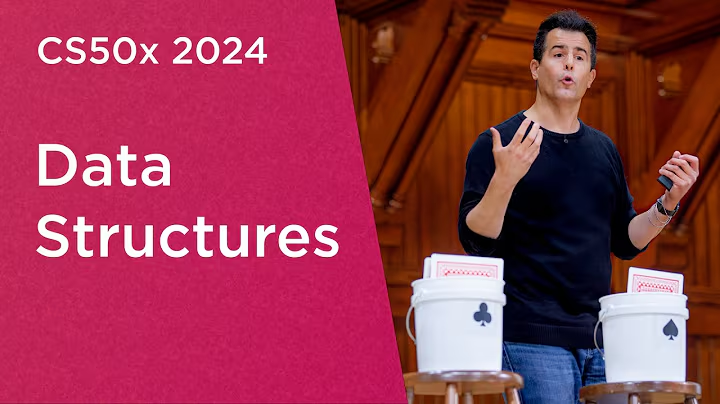
Data Structures and Algorithms
Mastered fundamental computer science concepts including arrays, linked lists, trees, graphs, sorting algorithms, and algorithmic complexity analysis.
Key Learnings:
- Implemented classic data structures from scratch
- Analyzed algorithm efficiency and optimization techniques
- Solved complex programming challenges using algorithmic approaches
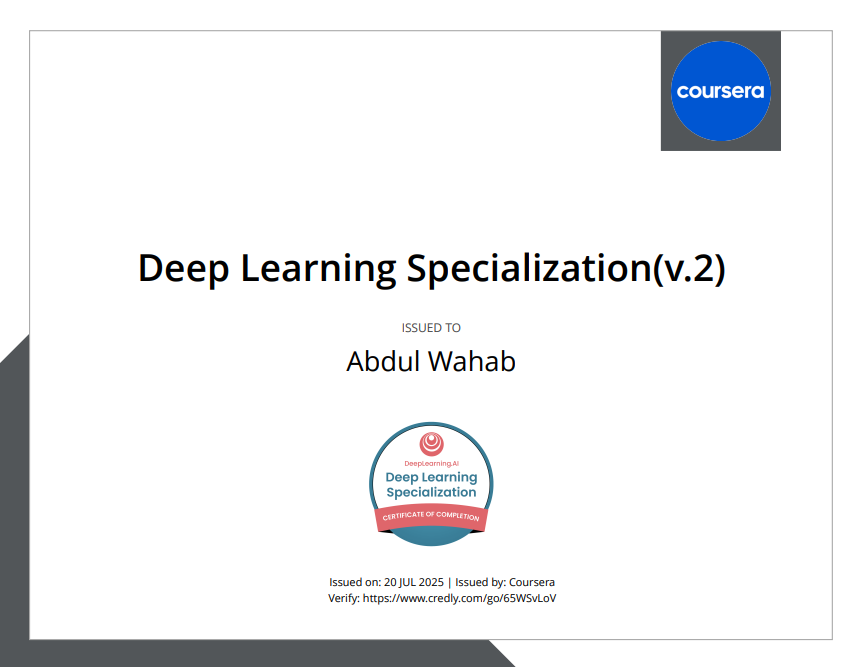
Deep Learning Specialization
Completed an in-depth specialization on deep learning, covering neural networks, convolutional neural networks, sequence models, hyperparameter tuning, and best practices for structuring machine learning projects.
Note: Certificates not received due to age restrictions (under 18).
Verify via Credly Certificate Link
Key Learnings:
- Neural Networks and Deep Learning: 97.66%
- Convolutional Neural Networks: 94.13%
- Sequence Models: 95.37%
- Structuring Machine Learning Projects: 82.50%
- Improving Deep Neural Networks: Hyperparameter Tuning, Regularization and Optimization: 94.13%
Quantum Physics Fundamentals
Deep dive into the fundamental principles of quantum physics, exploring the bizarre and counterintuitive world where particles can exist in multiple states simultaneously, and observation affects reality itself.
Key Concepts Studied:
- Wave-particle duality and the double-slit experiment
- Heisenberg uncertainty principle and its implications
- Quantum superposition and the famous Schrödinger's cat paradox
- Quantum entanglement - 'spooky action at a distance'
- The measurement problem and quantum decoherence
Quantum Mechanics Mathematics
Explored the mathematical framework underlying quantum mechanics, including the Schrödinger equation, wave functions, and the probabilistic nature of quantum systems that governs the behavior of matter and energy at the smallest scales.
Key Concepts Studied:
- Schrödinger wave equation and its solutions
- Quantum operators and eigenvalue problems
- Probability amplitudes and Born interpretation
- Commutation relations and canonical quantization
- Time evolution and the quantum harmonic oscillator
- Angular momentum and spin in quantum systems
Quantum Computing Theory
Studied the revolutionary field of quantum computing, where quantum mechanical phenomena like superposition and entanglement are harnessed to perform computations that could exponentially outperform classical computers for certain problems.
Key Concepts Studied:
- Quantum bits (qubits) and quantum gates
- Quantum algorithms: Shor's and Grover's algorithms
- Quantum error correction and fault tolerance
- Quantum supremacy and current technological limitations
- Applications in cryptography, optimization, and simulation
- Quantum programming languages and simulators
Quantum Field Theory Concepts
Explored advanced concepts in quantum field theory, the theoretical framework that combines quantum mechanics with special relativity, describing the fundamental forces and particles that make up our universe.
Key Concepts Studied:
- Particle creation and annihilation operators
- Feynman diagrams and particle interactions
- The Standard Model of particle physics
- Quantum electrodynamics (QED) principles
- Virtual particles and vacuum fluctuations
- Symmetries and conservation laws in quantum fields
Quantum Entanglement & Bell's Theorem
Studied the phenomenon Einstein called 'spooky action at a distance' - quantum entanglement, where particles become correlated in ways that seem to defy classical physics and locality, leading to revolutionary insights about the nature of reality.
Key Concepts Studied:
- Bell's inequality and experimental violations
- EPR paradox and hidden variable theories
- Quantum non-locality and instantaneous correlations
- Applications in quantum cryptography and teleportation
- Many-worlds vs Copenhagen interpretation debates
- Aspect's experiments and closing loopholes
Quantum Cryptography & Information Theory
Explored how quantum mechanics enables unbreakable encryption and secure communication through quantum key distribution, quantum random number generation, and information-theoretic security proofs.
Key Concepts Studied:
- Quantum key distribution (QKD) protocols
- BB84 and E91 quantum cryptography schemes
- Quantum random number generation
- No-cloning theorem and information security
- Quantum digital signatures and authentication
- Post-quantum cryptography challenges
Quantum Tunneling & Applications
Investigated the quantum mechanical phenomenon where particles can pass through energy barriers that would be impossible to cross classically, enabling modern technologies from computer processors to medical imaging.
Key Concepts Studied:
- Wave function penetration through barriers
- Scanning tunneling microscopy (STM) principles
- Tunnel diodes and Josephson junctions
- Alpha decay and nuclear tunneling
- Quantum tunneling in biological systems
- Applications in quantum computing qubits
Quantum Algorithms & Complexity
Studied advanced quantum algorithms that demonstrate quantum advantage over classical computation, exploring the theoretical foundations of quantum complexity theory and computational speedups.
Key Concepts Studied:
- Shor's algorithm for integer factorization
- Grover's search algorithm and amplitude amplification
- Quantum Fourier transform and period finding
- Variational quantum eigensolvers (VQE)
- Quantum approximate optimization algorithm (QAOA)
- BQP complexity class and quantum supremacy
Quantum Decoherence & Error Correction
Explored how quantum systems lose their quantum properties through interaction with the environment, and the sophisticated error correction schemes needed to preserve quantum information for practical quantum computing.
Key Concepts Studied:
- Environmental decoherence mechanisms
- Quantum error correction codes (Shor, Steane)
- Stabilizer formalism and syndrome measurement
- Fault-tolerant quantum computation
- Threshold theorem and error rates
- Topological quantum error correction
Quantum Optics & Photonics
Studied the quantum mechanical properties of light and its interaction with matter, including single photon sources, quantum interferometry, and photonic quantum computing architectures.
Key Concepts Studied:
- Single photon states and Fock states
- Squeezed light and quantum noise reduction
- Hong-Ou-Mandel effect and photon indistinguishability
- Quantum interferometry and precision measurements
- Photonic quantum gates and linear optics
- Cavity quantum electrodynamics (QED)
Get In Touch
Have a project in mind or want to discuss potential opportunities? Feel free to reach out!